



In an era of digital transformation, there are still many beliefs circulating about websites that can seriously harm your business. Let's dispel the most popular myths I hear from entrepreneurs.
Myth 1:
Since I have social media, I don’t need a website
This is one of the most dangerous myths in modern marketing. Social media is a great tool, but you don’t own those platforms.
Facebook, Instagram or TikTok can change the algorithm overnight, reducing your reach by 90%. They can block your account without warning. Remember how many times Facebook "lay down"? What about the customers who were looking for your services during that time?
Your website is your digital real estate.
This is the only place on the Internet that you fully control. What's more:
- Not all your potential customers are on Facebook
- A website builds a professional image (try getting a serious B2B contract by showing only a profile on Instagram)
- You can collect email addresses and build your own customer base
- Social media is great at driving traffic.... precisely to your site, where conversions occur
Social media and a website are not competitors - they are partners. Social media is a megaphone, but a website is your store, office and business card in one.

Myth 2:
Anyone can make a website – it’s just a few clicks
Yes, today anyone can “click together” a website on Wix or WordPress.com. Just like anyone can buy a brush and some paint. But does that make them a painter?
A professional website is much more than a nice template:
Information architecture
How do you organize content logically so that users can intuitively find what they’re looking for? Poorly designed navigation is the fastest way to lose a client.
Conversion optimization
Where should you place your CTA buttons? Which colors and texts drive action? Professionals test and optimize these elements based on data, not intuition.
Security
A free builder template is a paradise for hackers. Regular updates, SSL certificates, and form protection – these are technical aspects amateurs often overlook.
Performance and SEO
Google takes into account over 200 ranking factors. Loading time, URL structure, schema markup, image optimization, Core Web Vitals – this is specialized knowledge, not intuition.
Yes, you can make the site yourself. You can also remove a tooth yourself. The question is: do you want to risk the outcome?

Myth 3:
Responsiveness is just an add-on
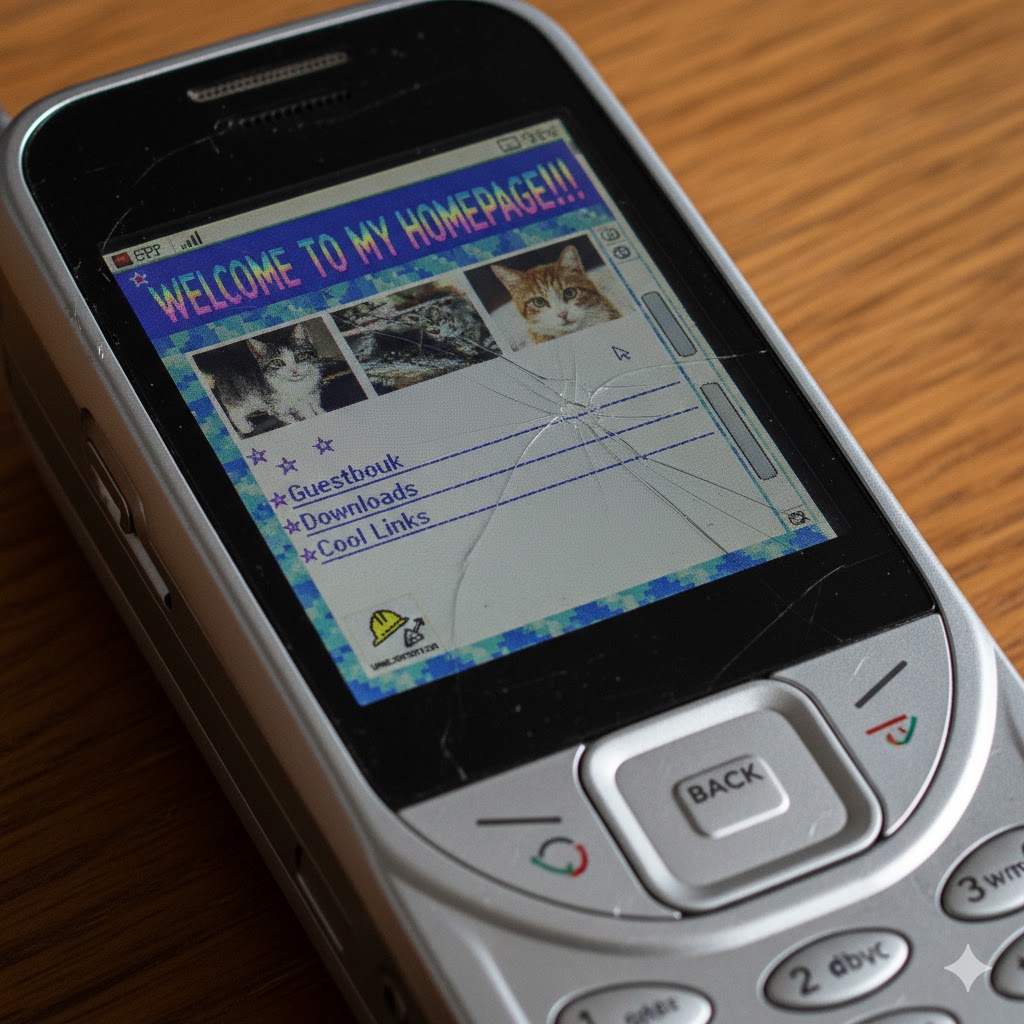
In 2025, it’s not an add-on – it’s an absolute necessity. Over 60% of all web traffic comes from mobile devices, and in some industries
Google has been using mobile-first indexing for years - this means that your site is judged primarily by the mobile version. If it's not responsive, your search engine rankings fly by the wayside.
But it's not just SEO.
Not only SEO
Imagine a potential client searching for your services on their phone:
Problem
01
They have to zoom in just to read the text
problem
02
The buttons are too small, and it’s hard to tap them
Problem
03
The contact form doesn’t work properly
Problem
04
The page takes forever to load because the images aren’t optimized
That customer will simply leave for the competition. In 3 seconds. No regrets.Responsiveness is not a luxury - it's a hygiene factor. Its absence automatically disqualifies your site.
Myth 4:
If something’s wrong with my website, the client will let me know
No, they won’t. 95% of dissatisfied users simply leave in silence.
Customers are not your testers. When they encounter a bug, a broken page or a form that doesn't work, they don't write an email with a report. They just click "X" and look for the competition. You have maybe 5-10 seconds to stop them.
A professional approach requires:
Regular monitoring
Tools like Google Analytics, Search Console, or Hotjar show where users leave your site, which elements don’t work, and what errors appear.
Systematic testing
Different browsers, devices, and operating systems. Your website might look perfect on your MacBook but fall apart on a client’s Android device.
Collecting feedback
Surveys, heatmaps, user session recordings – they reveal real problems your clients won’t tell you about.
Don't wait for customers to start complaining. Because first they will stop coming.

Myth 5:
My industry doesn’t need a website
I’ve heard that from plumbers, lawyers, bakers, physiotherapists, mechanics… The list goes on. And they were always wrong.
97% of consumers search for local services online. Whether you run a tailor shop or a notary office ....
Your customers will google you first
- "But my customers are older people, they don't use the Internet." - is another myth. According to research, 70% of people 55+ use the Internet regularly. And even if your client is 80, his daughter, who is looking for services for him, is 50 and definitely uses it.
- "I have full orders from referrals" - great! But what happens when that one big client leaves? Or when you want to expand? A website is your collateral and your scaling tool.
There is no industry that doesn't need an online presence. There are only entrepreneurs who haven't noticed it yet - usually just before the competition notices.

Myth 6:
Design doesn’t matter – only speed does
This myth is especially tricky because it contains a grain of truth. Speed matters. But design is just as important.
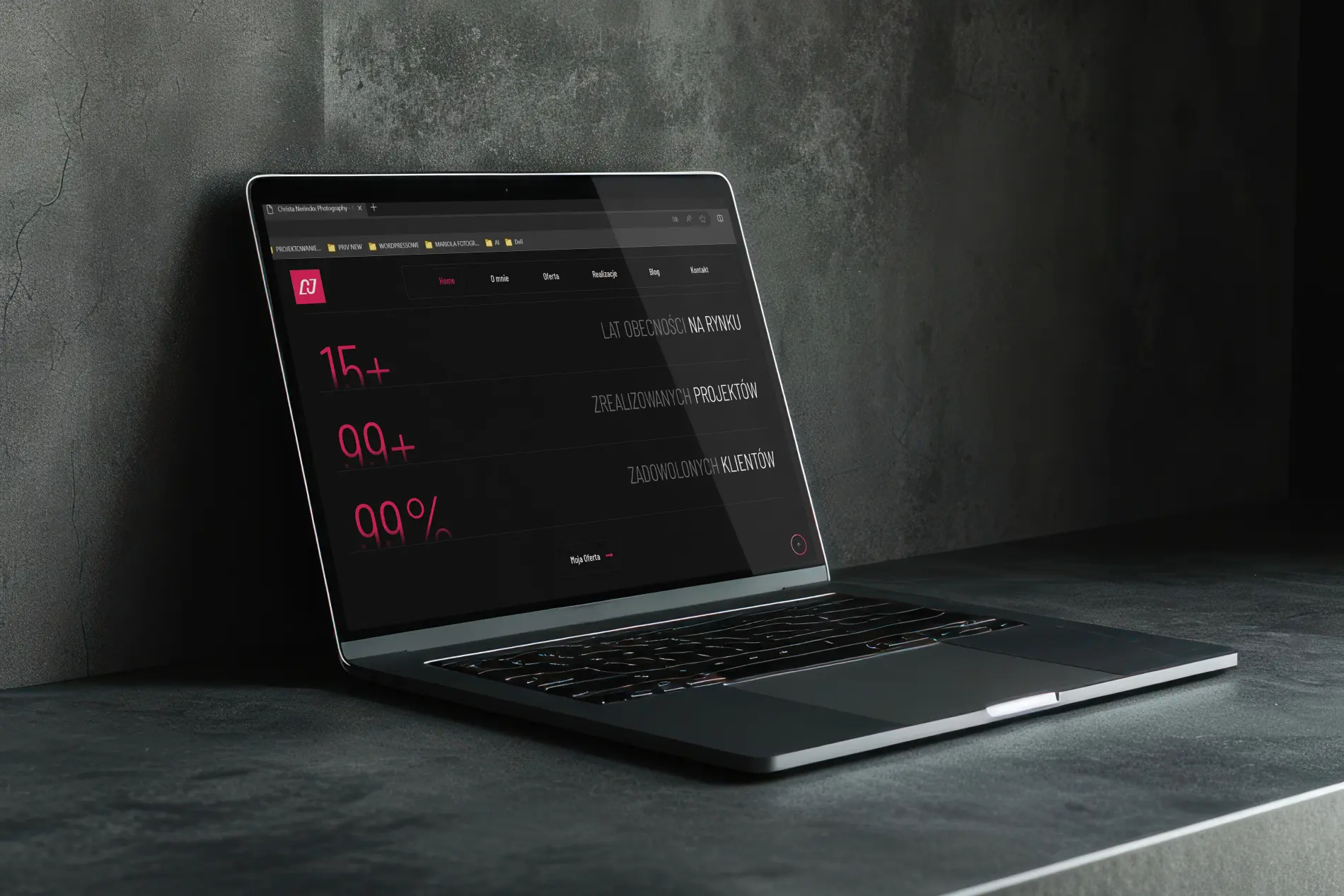
The first impression is formed in 0.05 seconds. Yes, that's much faster than the page load time. In that fraction of a second, the user subconsciously assesses whether your site (and company) is credible, professional and trustworthy.
Research shows that:
75% of users judge a company’s credibility based on its website design
Aesthetic design increases the perceived usability of a website
People are willing to wait longer for a beautiful website to load than for an ugly one
The good news? Design and speed are not mutually exclusive. A professional developer knows how to create a site that is both beautiful and lightning fast. The issue:
- Optimized images in modern formats (WebP, AVIF)
- Clean, efficient code
- Proper architecture and caching
- Lazy element loading
You don't have to choose between design and speed. You can (and should) have both.
Myth 7:
Mr. Kazik can do SEO for the price of the website
The last myth, which I’m adding as a bonus, because it’s a particularly painful one.
SEO is not a one-time service that is "done on occasion." It is an ongoing process that requires:
- Long-term strategy
- Keyword and competitive analysis
- Technical optimization
- Create valuable content on a regular basis
- Building authority through links
- Monitor and adjust strategies
"Mr. Kazik" can at most install a Yoast SEO plugin and fill in the meta tags. This is not SEO - it is the bare minimum, a starting point.
Real SEO is a strategy for months and years, not a one-time fee. If someone offers you "full SEO for the price of a site," they either don't know what they're doing or they're cheating. Most likely both.
Summary:
A website in 2025 isn’t optional – it’s a business necessity. But not every website delivers results. By avoiding these myths and investing in a professional solution, you give your company a real competitive advantage.
Remember: on the Internet, you don't get a second chance to make a first impression. Is your current site making the most of this one opportunity?